What Students Reflected on Victim Blaming and Boundaries
We can't only teach people to avoid becoming victims. Hear what students reflected on victim blaming

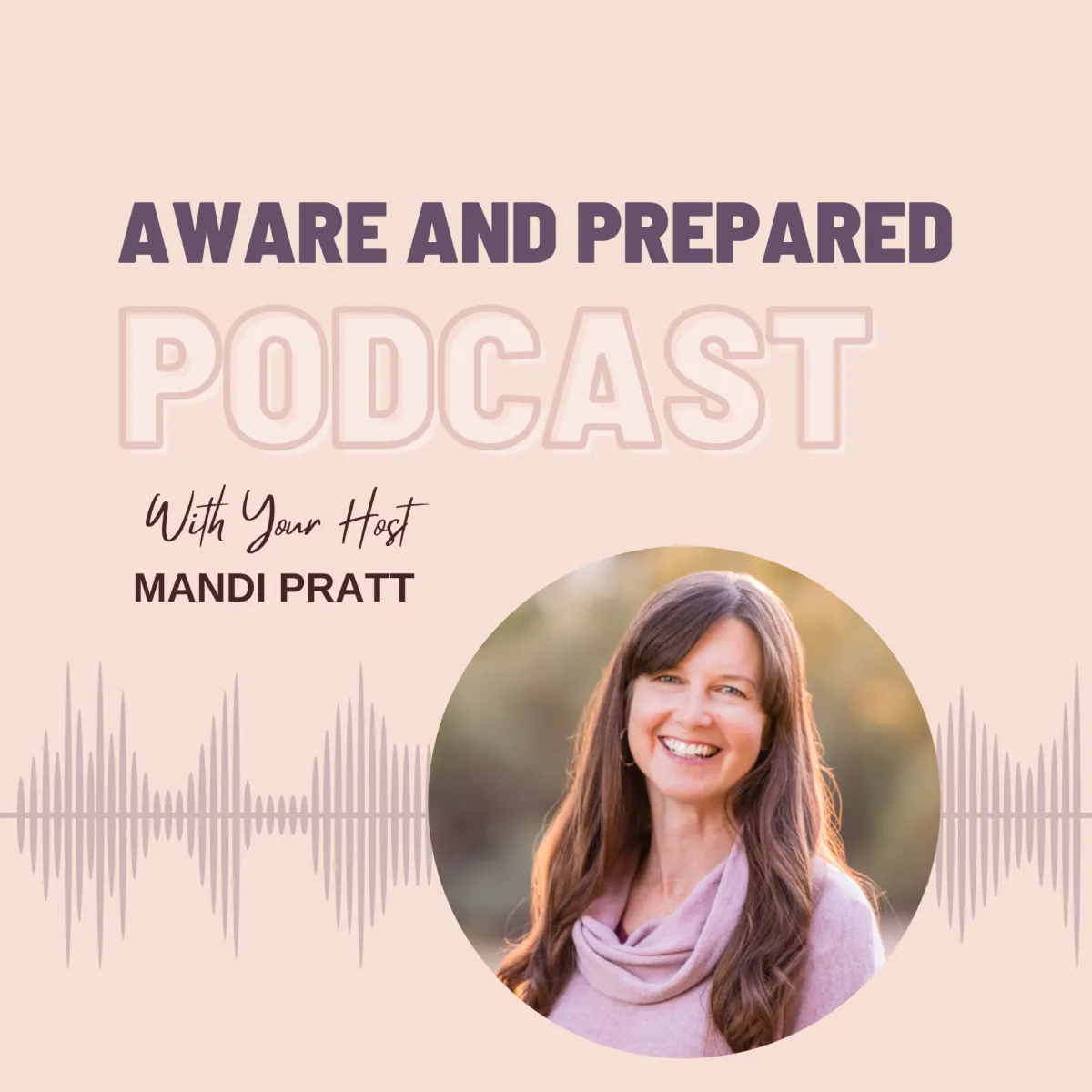
where I, Mandi, a trained domestic violence victim advocate helps those feeling vulnerable learn emotional self defense and how to be street smart.
Choose which platform you’d like to listen and follow the show:

We can't only teach people to avoid becoming victims. Hear what students reflected on victim blaming

In this episode Mandi Pratt breaks down why victim-blaming culture persists, where it comes from, and most importantly what we can ALL do to dismantle it: one conversation, one word choice, one moment of showing up at a time. Drawing on her own powerful story of survival and resilience, Mandi shares practical tools anyone can use to trust their intuition, set boundaries, and create communities where survivors are believed and supported. This episode is for everyone: survivors, allies, students, parents, and anyone who has ever wondered what they can actually do to make the world a safer, more peaceful place. Because it turns out the answer starts closer to home than most of us think

Learn how to safely intervene as a bystander and hear Kelly Pfleider's, founder of Pure Praxis, innovative approaches to sexual assault prevention training. They discuss the importance of engaging student leaders, and empowering individuals to take action in difficult situations. Kelly emphasizes the role of storytelling in education and the need for continuous conversations about consent and support for survivors. The episode highlights how Pure Praxis customizes its training to create safe spaces for dialogue and encourages listeners to get involved in their community.

“Why didn’t she leave?” It may sound harmless, but this one question shifts blame onto survivors and lets perpetrators off the hook. The truth is, language shapes how we view abuse — and the words we use can either hurt survivors or help them heal. Hear how to spot victim-blaming language, reframe it to encourage accountability, and use your words to create safer, more supportive spaces. Through real-life examples and practical tips, you’ll discover how even small shifts in language can make a big difference. By listening, you’ll learn: How to reframe harmful phrases into language that holds perpetrators accountable. Why your words matter in shaping culture, allyship, and survivor support. Three simple questions to ask yourself before speaking to ensure your language supports healing, not harm. Listen in to learn how you can avoid this common mistake — and use your voice to be an ally!